




Python-Coded Motion Graphics
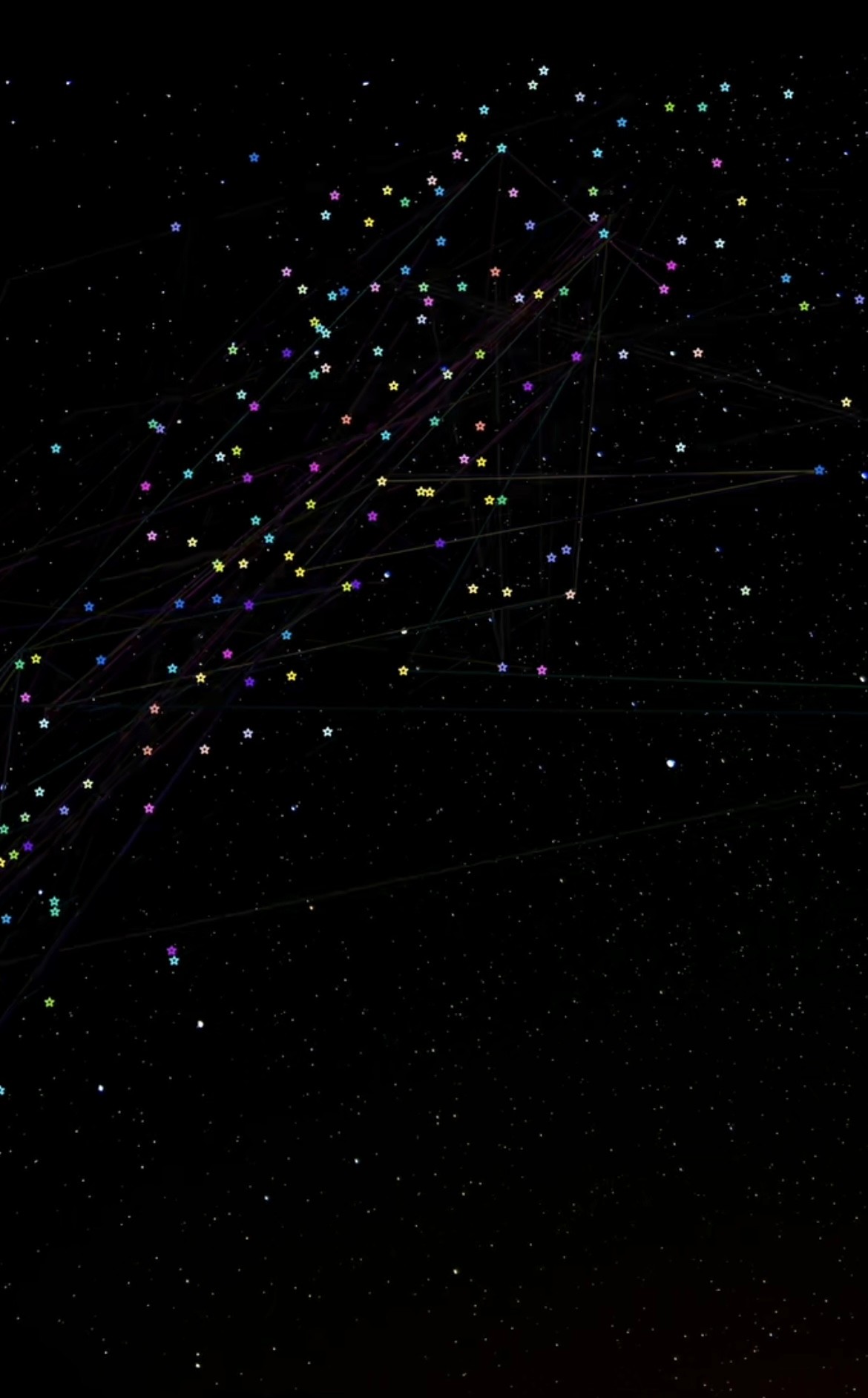
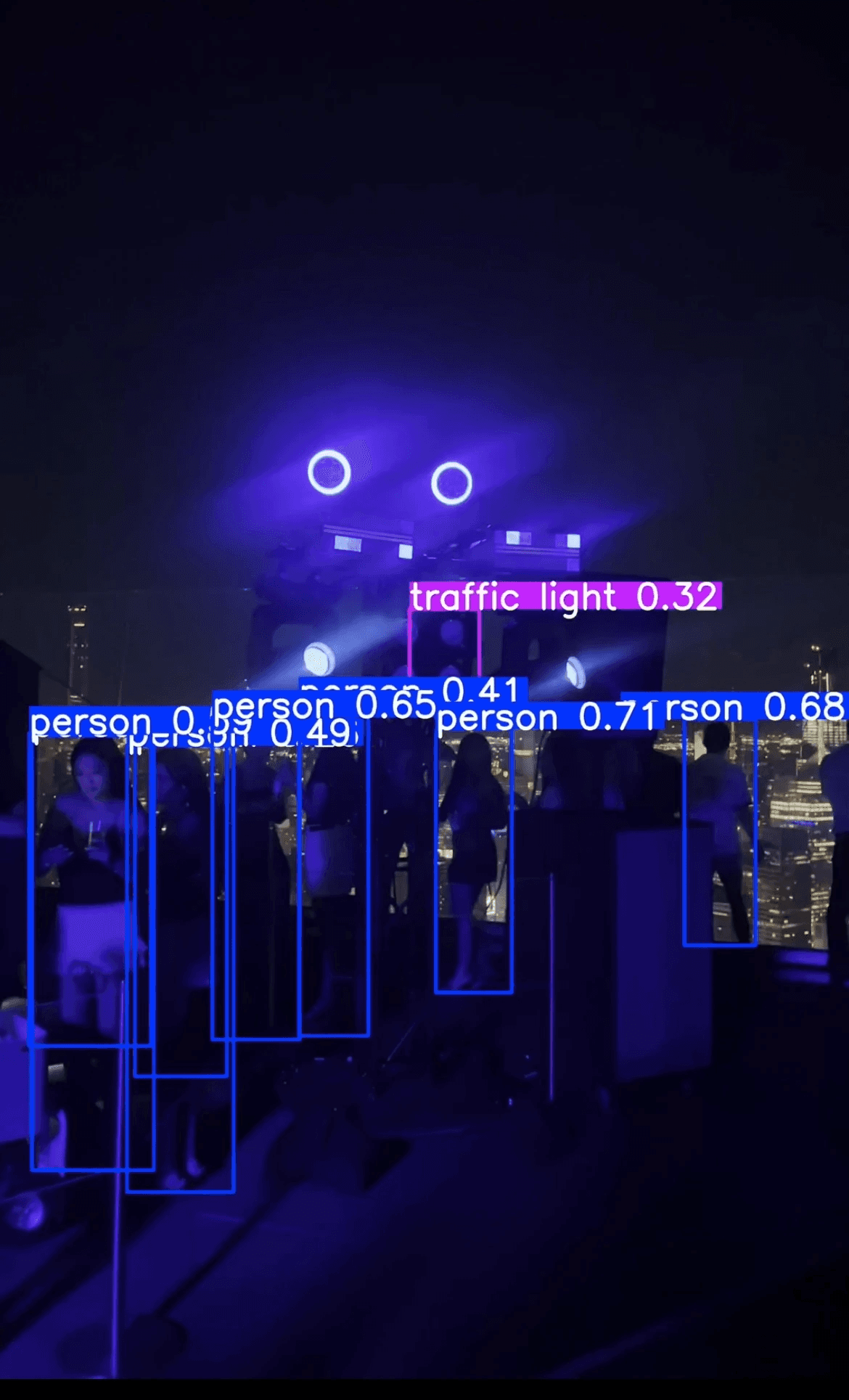
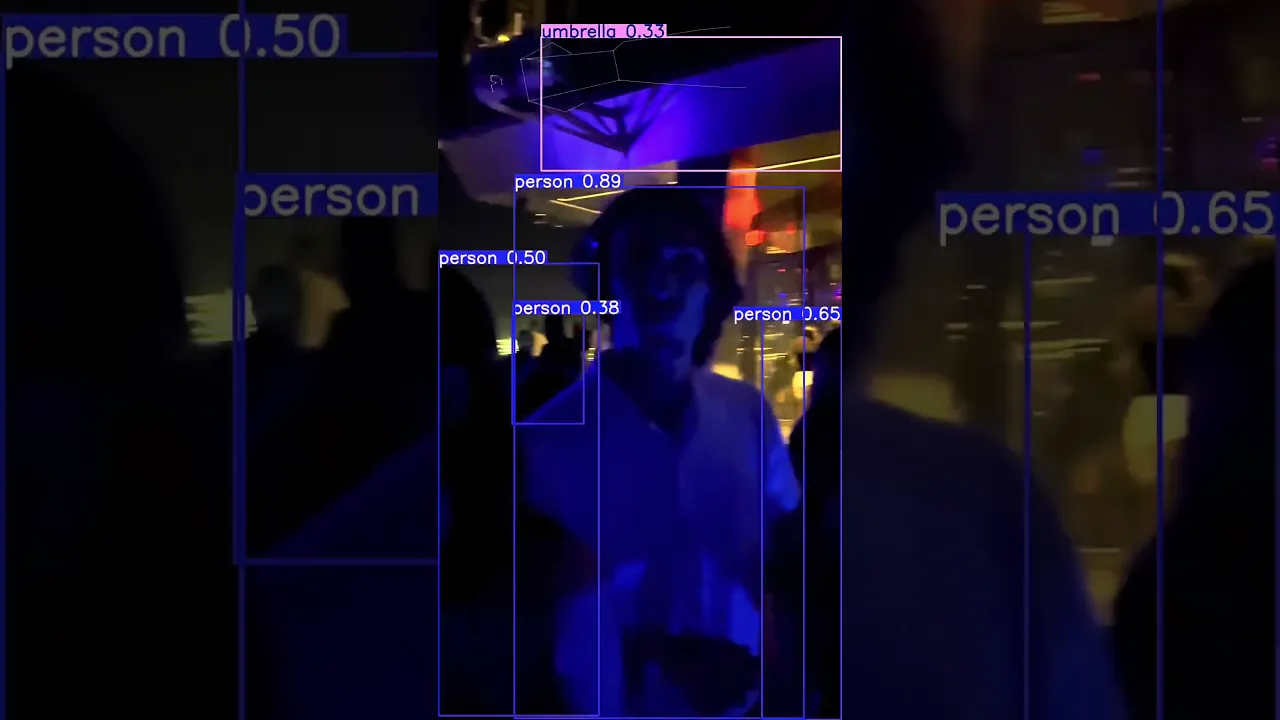
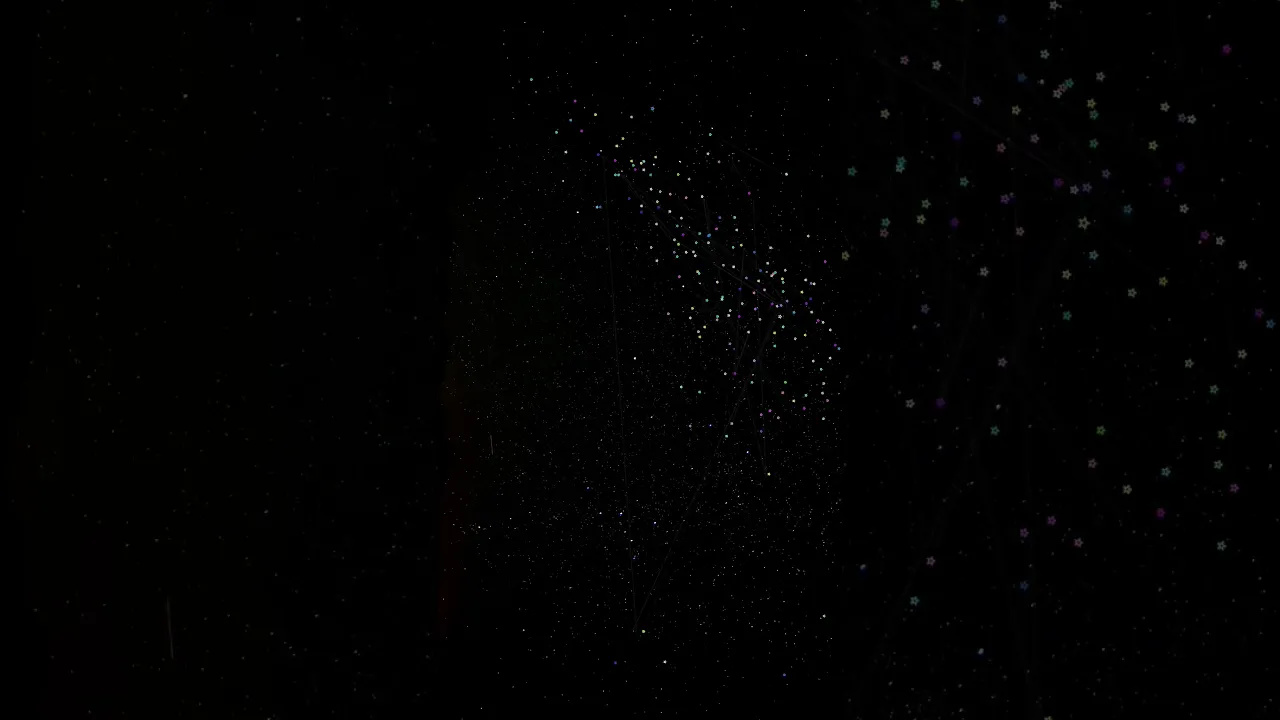
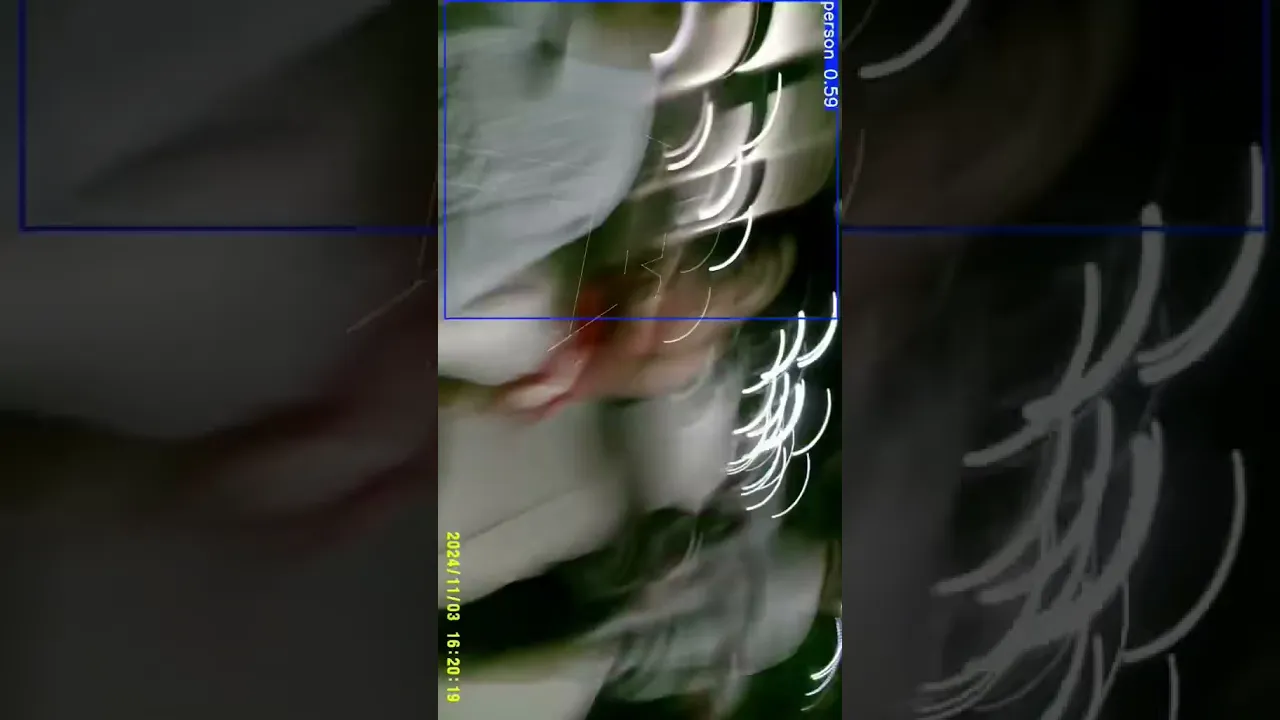
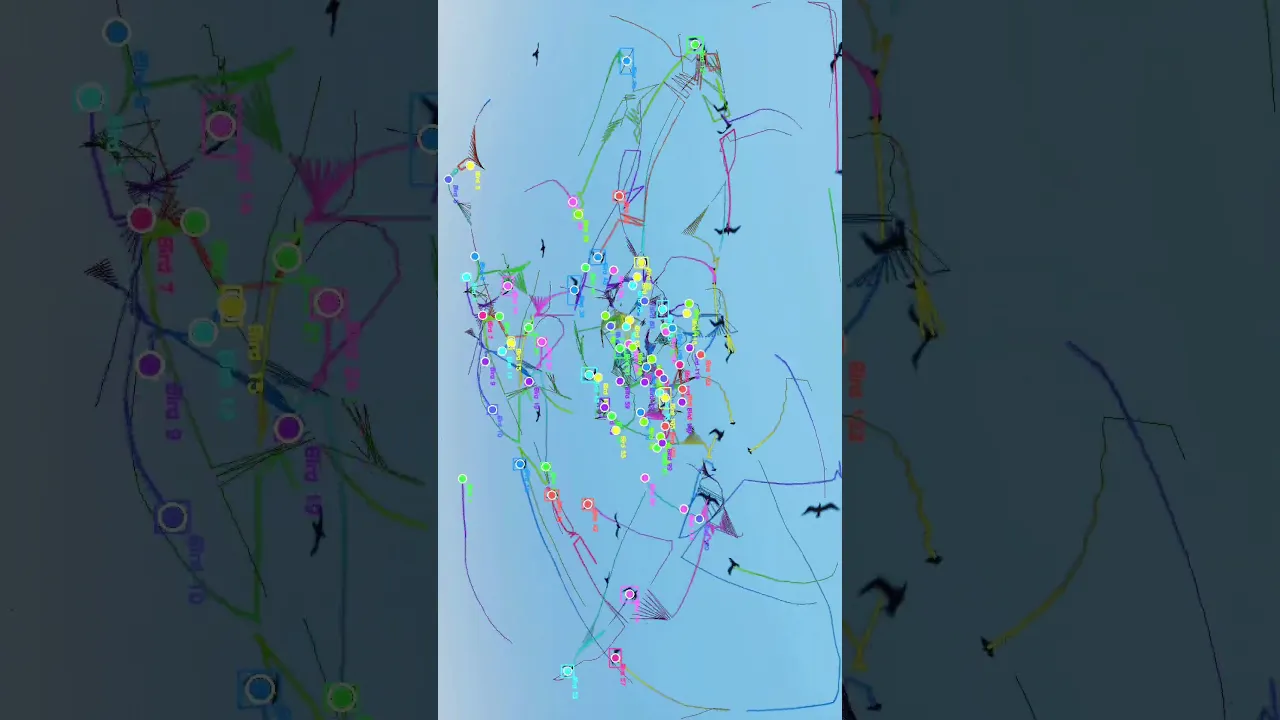
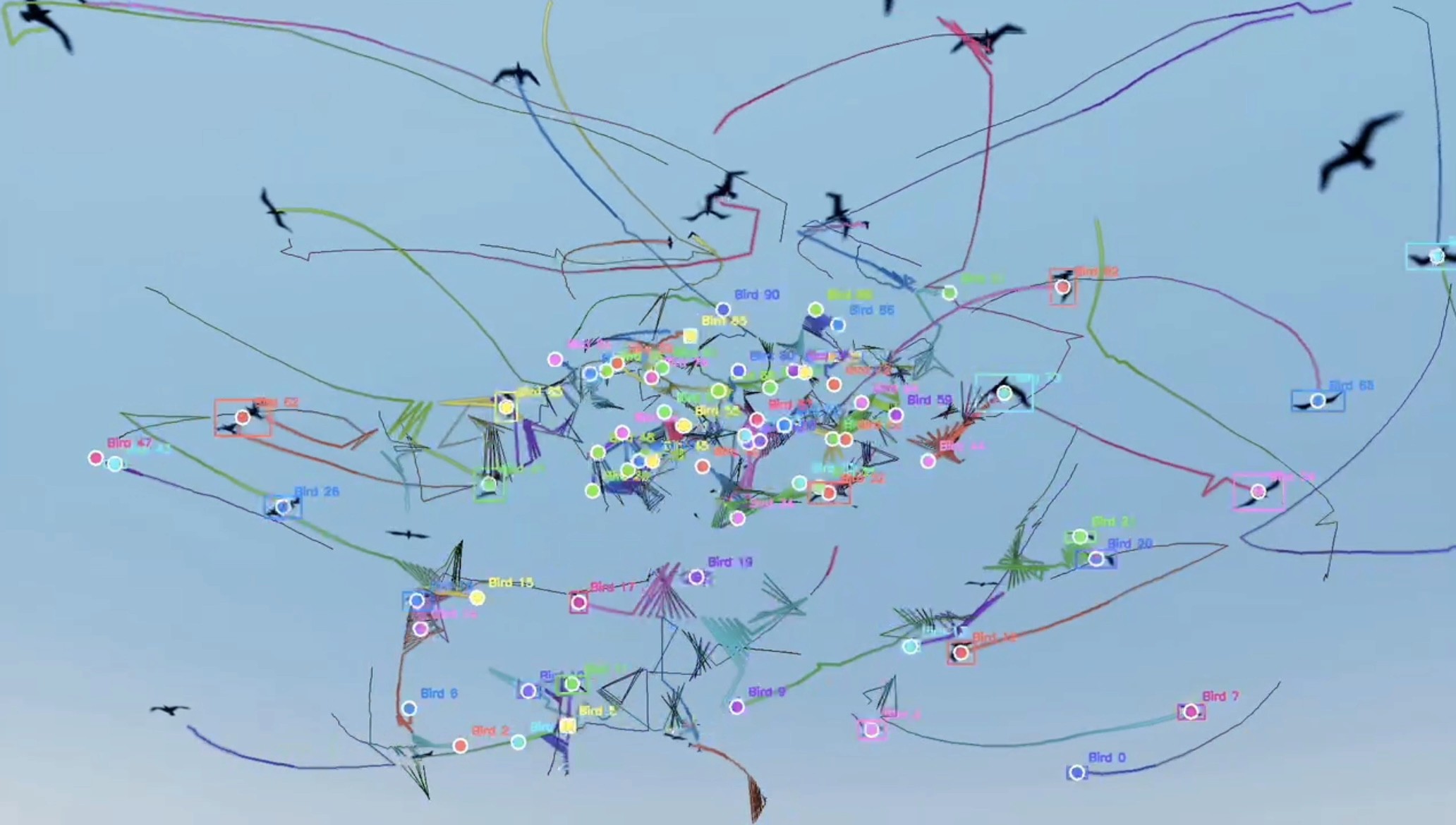
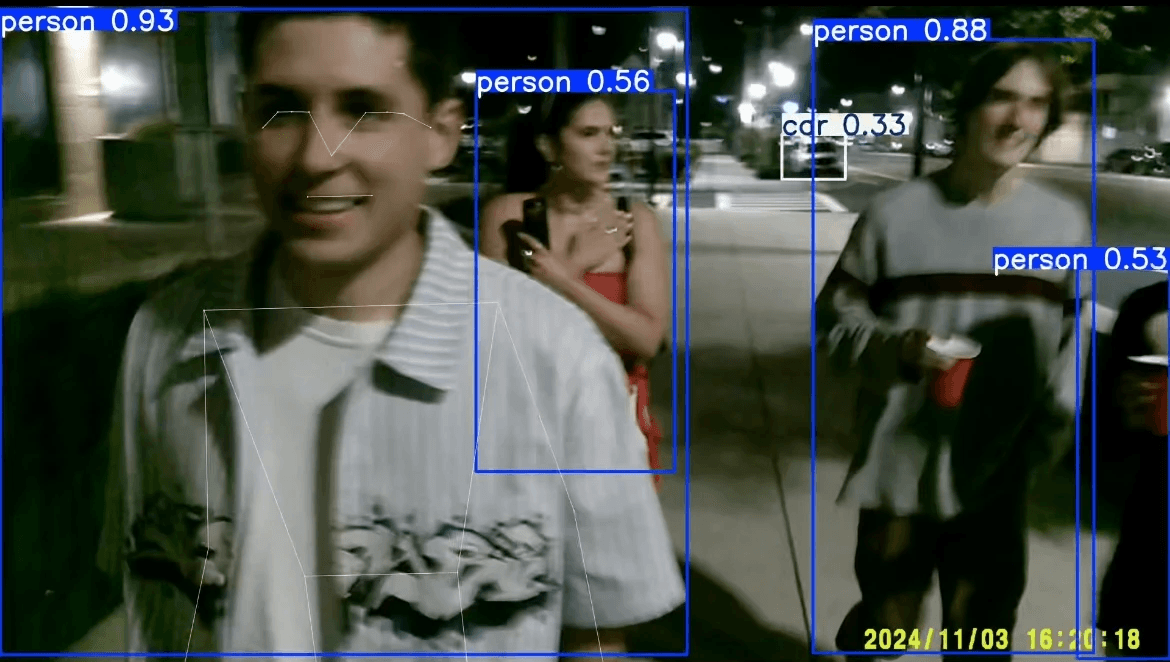
This experimental project explores the intersection of creative coding and motion design. Using Python in combination with Adobe After Effects, I developed motion-tracking visuals that simulate surveillance and monitoring interfaces. The videos combine original footage filmed on an older video camera with stock clips of bird movement. Motion within the footage is detected and emphasized through animated overlays that track subjects as they move through the frame.
Client
Self-Initiated Project
DELIVERABLES
Experimental motion graphics, motion-tracking video compositions, surveillance-style animated overlays
Year
2025
Role
Motion Designer, Creative Technologist, Video Editor
Brief
Many motion-tracking effects used in generative media or interactive installations are typically built using specialized software such as TouchDesigner. I wanted to experiment with how similar aesthetics could be achieved through a hybrid workflow using Python and traditional motion design tools. The challenge was developing a process that could identify movement in footage and translate it into stylized visual tracking elements.
Process/Solution
I began by experimenting with Python scripts developed with the assistance of Claude AI to generate motion-tracking outputs from video clips. These scripts helped analyze movement and produce visual indicators that follow objects within the footage. The resulting material was brought into Adobe After Effects where I layered interface-style graphics, tracking boxes, and motion indicators. By combining computational analysis with motion graphics editing, I created compositions that mimic the aesthetics of automated surveillance systems.